olann-002

Urban Yarns Point Grey has moved!

To celebrate, we hope you can join us today, Friday May 14th from noon to 9pm in Point Grey. Throughout the day there will be goodies and give-aways that you won’t want to miss!

Our new address is 4437 West 10th Avenue, only 4 doors up from our previous location.

The CELEBRATION SALE will take place at both our Edgemont Village location and our new Point Grey location!

Sale prices will be in effect until Sunday May 23rd

olann-0021


Posted in Uncategorized | Comments Off


crw_9324

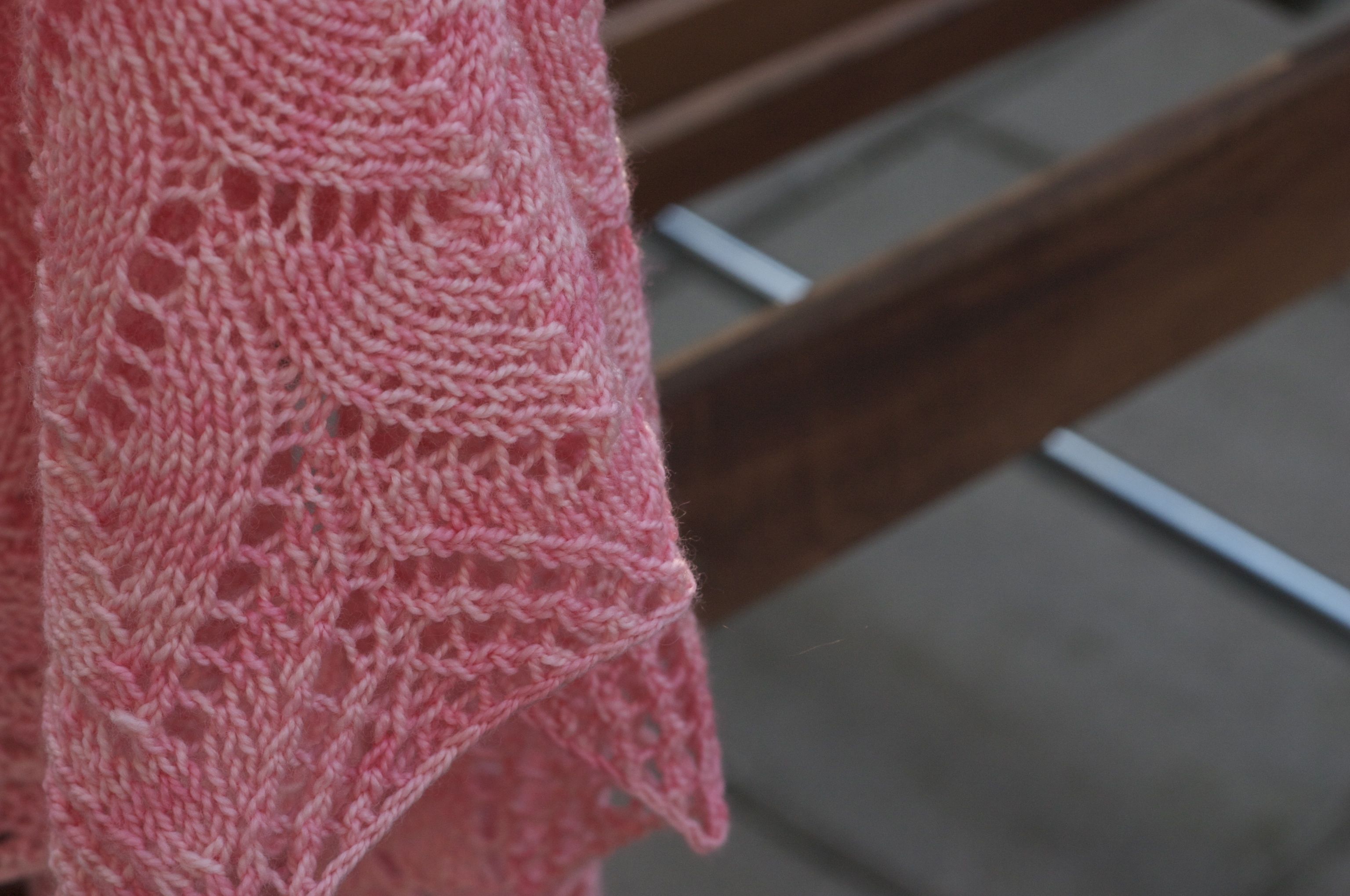
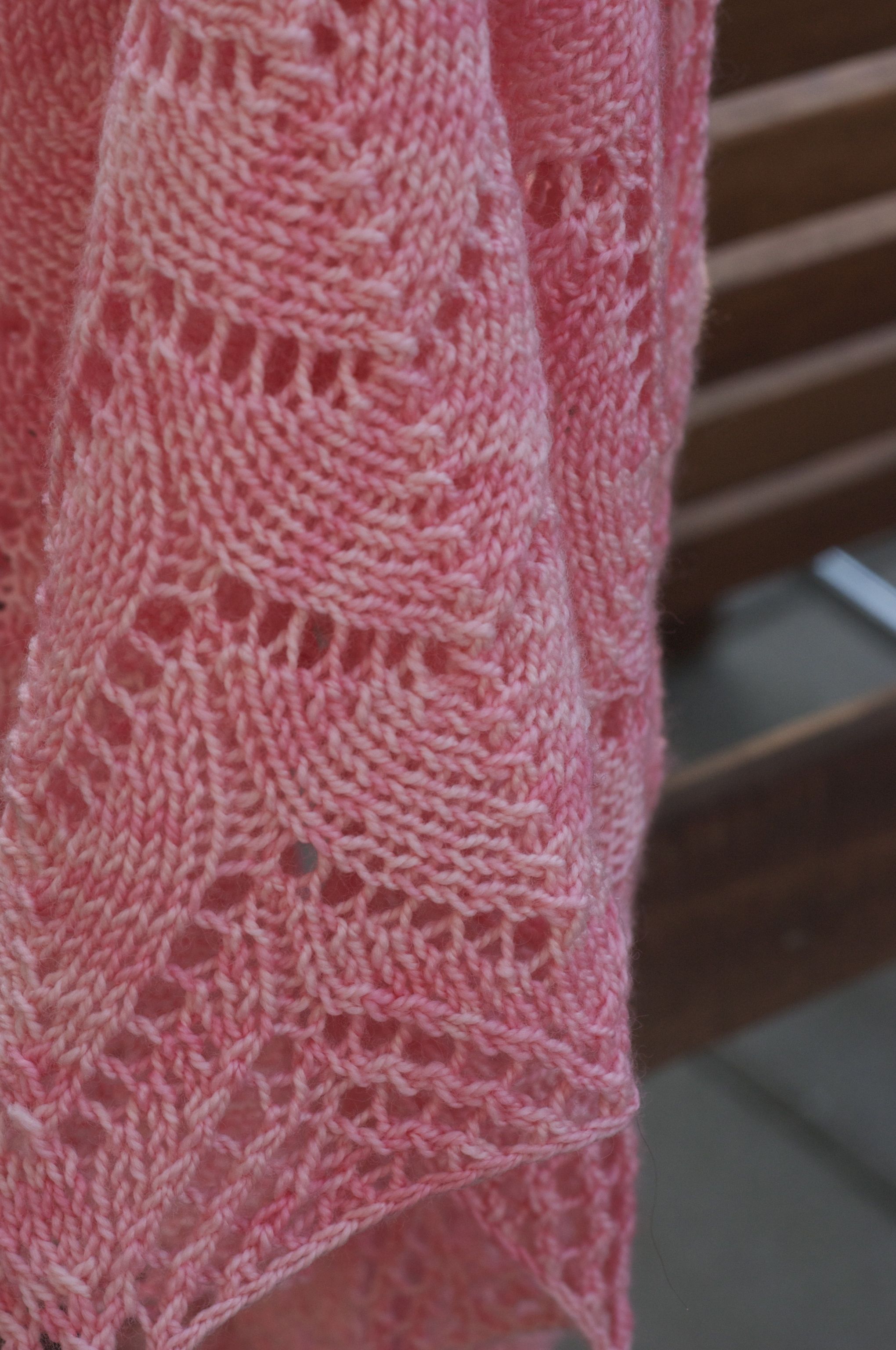
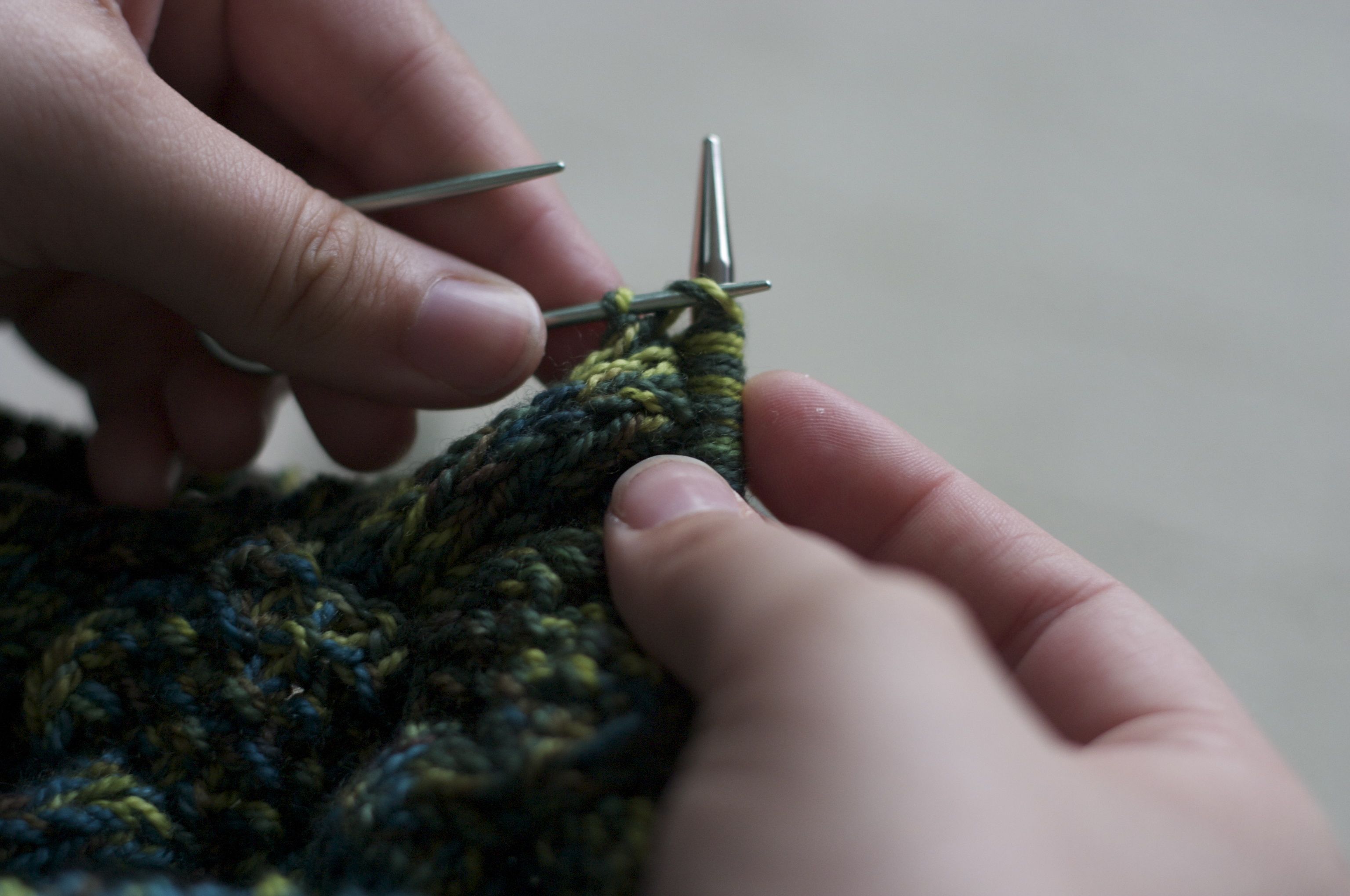
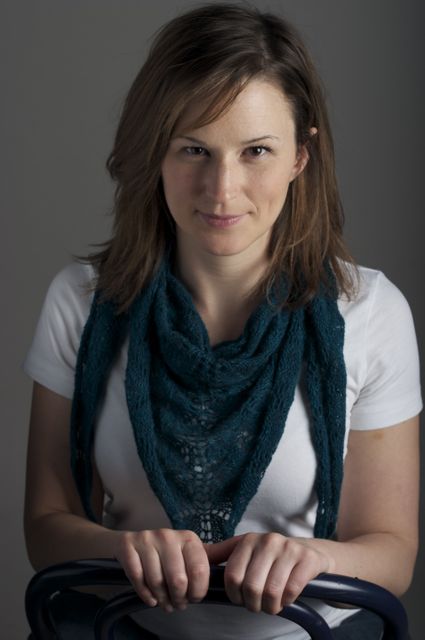
Last weekend was Mother’s day (I hope this isn’t news to anyone) and I wanted to do a little knitting for my Mother in Law. It wasn’t just Mother’s day for her either, it was also her birthday! I figured this was a prime oportunity to display my fine knitting skills. MIL has blonde hair and fair skin and LOVES pink so I thought I would give the new Shibui Sock a try. It comes in some great colours and even though I immediately gravitated towards the deep tealy blues, I knew the soft pink was perfect for MIL. I didn’t want to make socks though, just not right for the occasion. I decided to whip together a small shawl/triangular scarf.

crw_9339

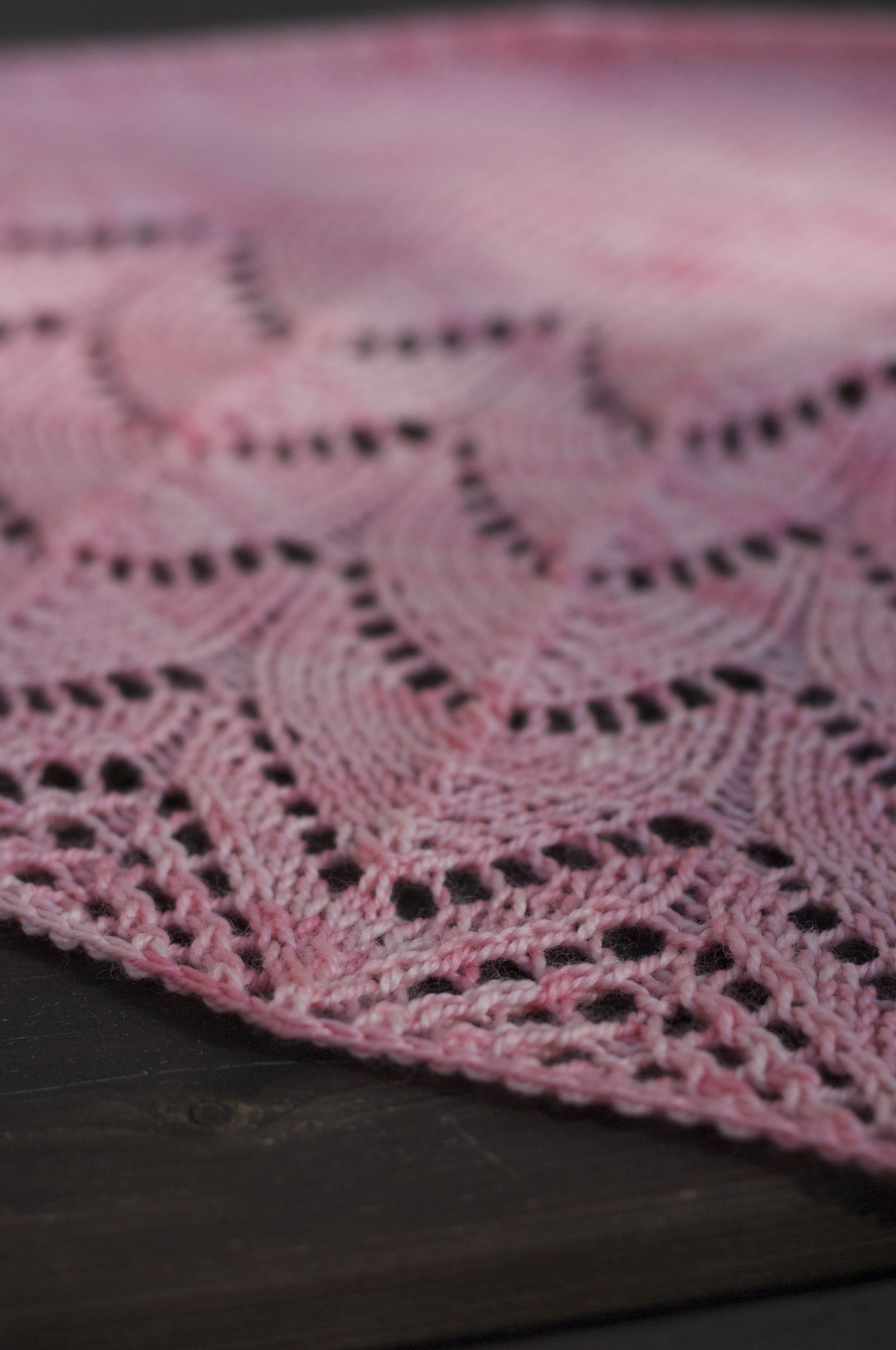
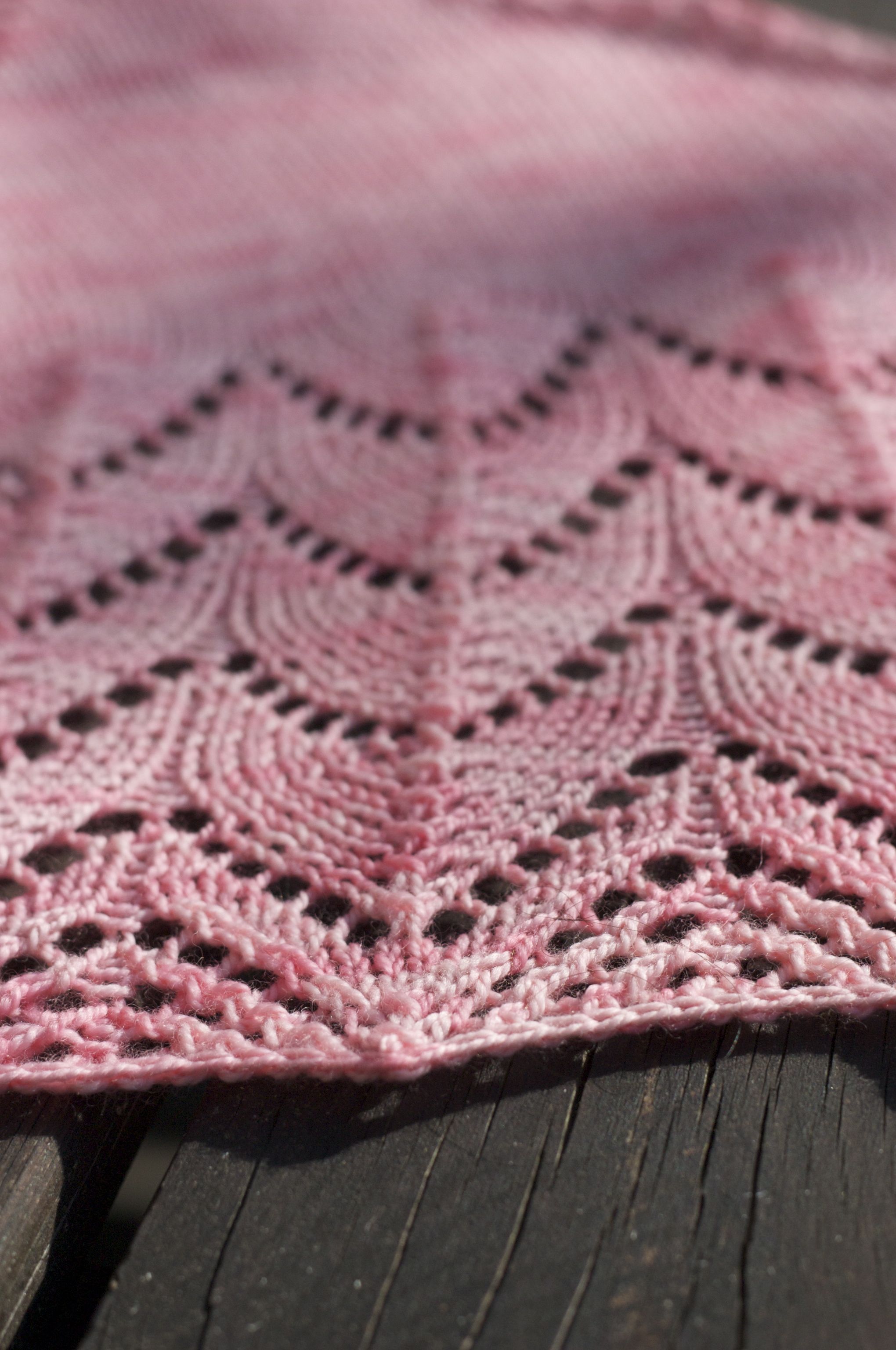
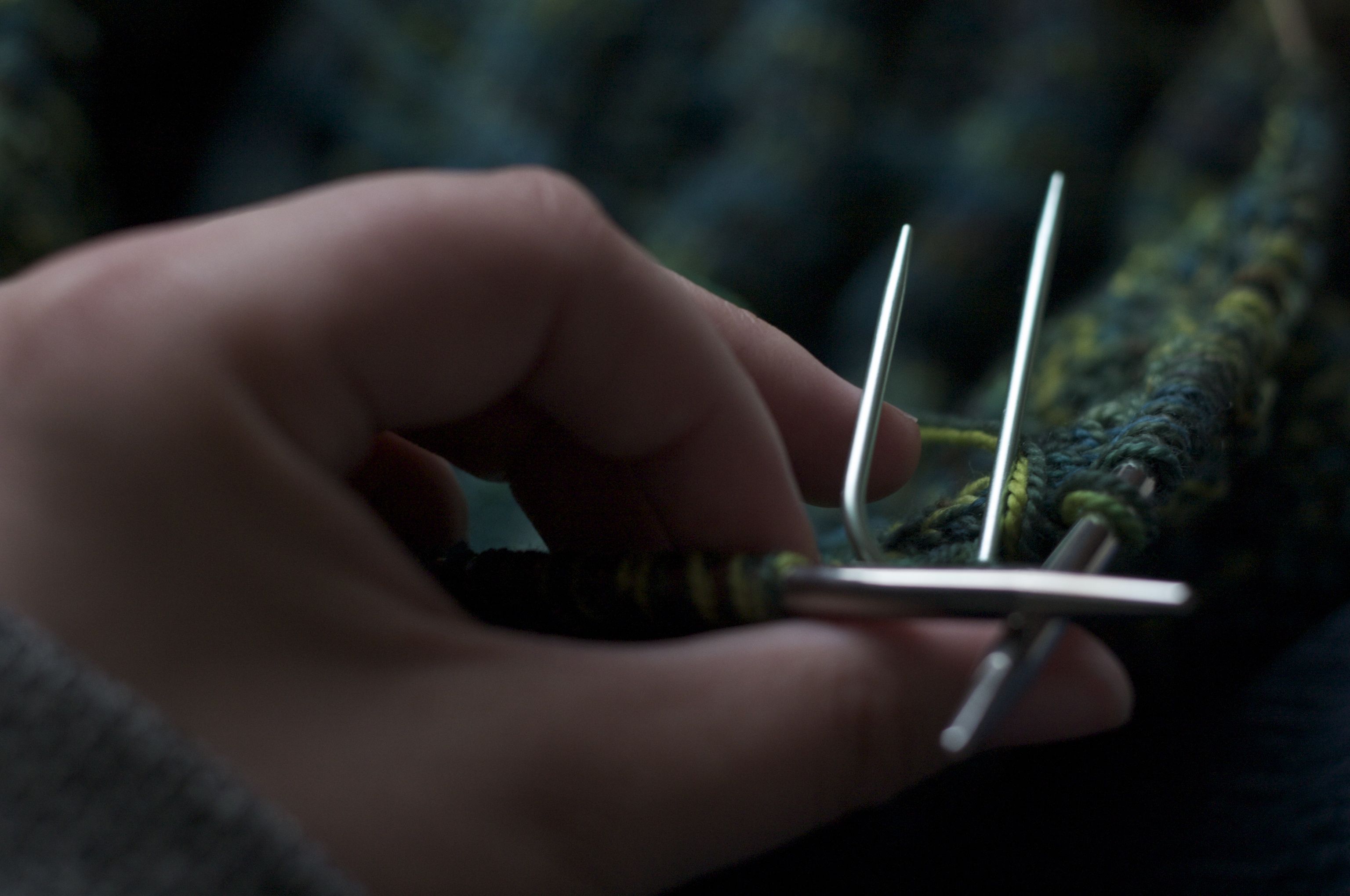
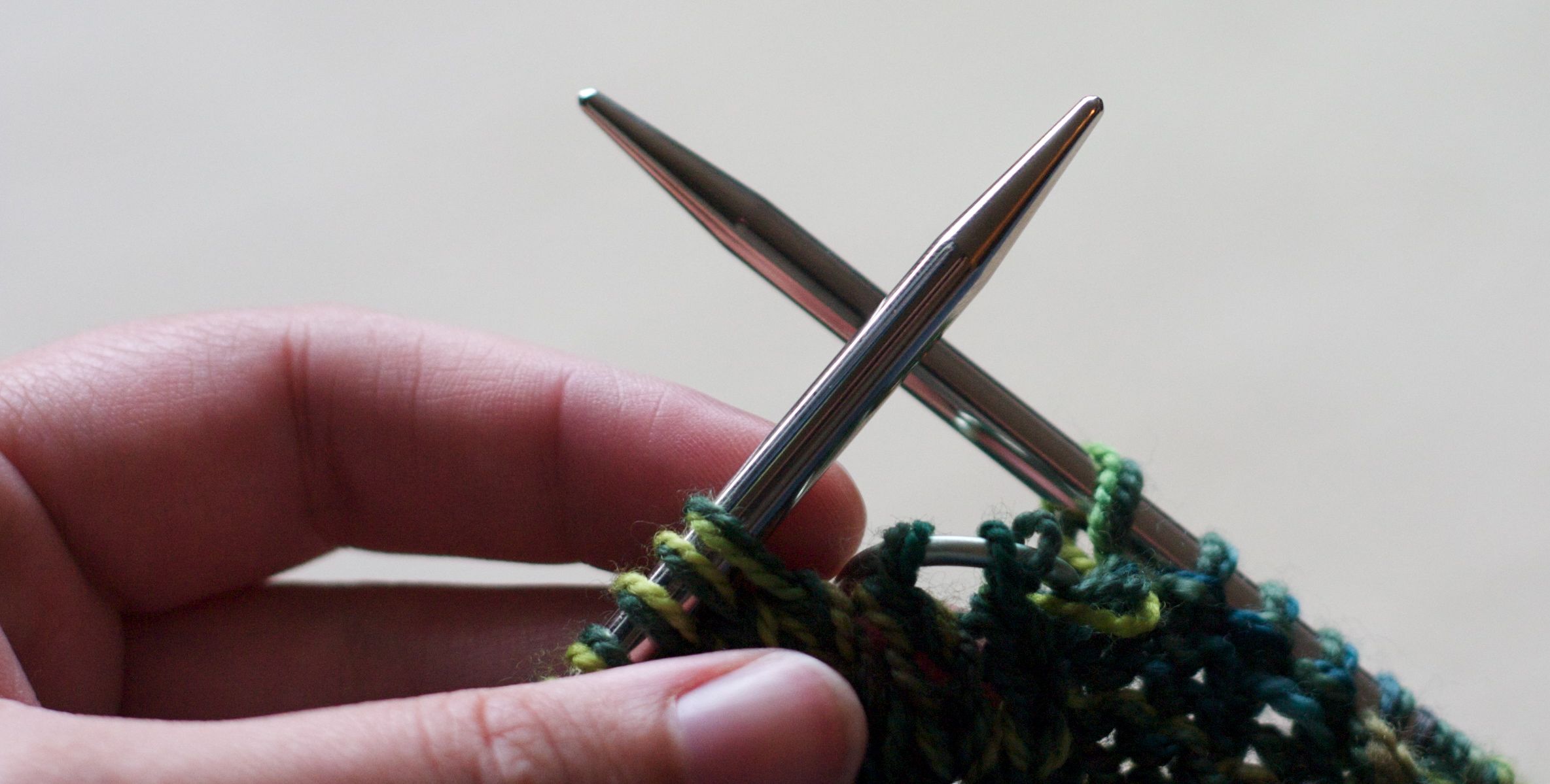
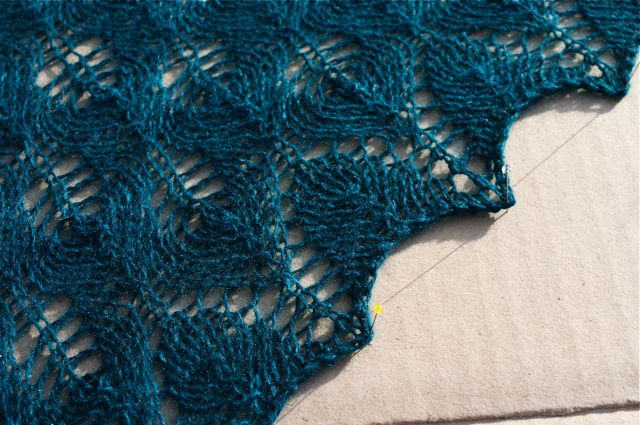
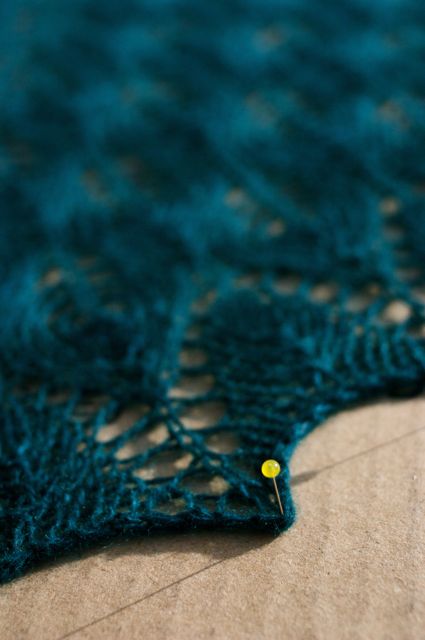
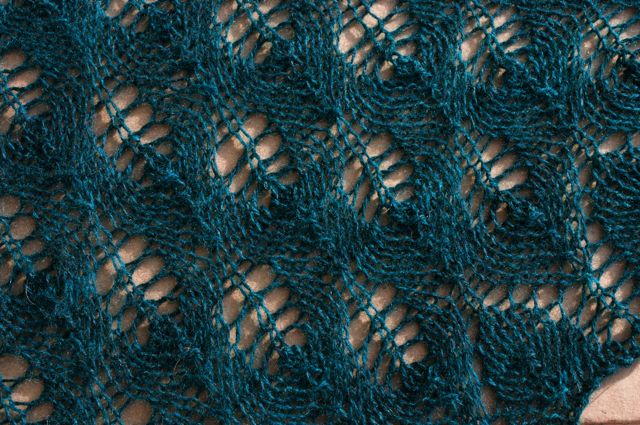
I picked up 2 skeins and some addi lace needles (sharp tip, not too slippery, I love them) and I was ready to go, except for the pattern. I recently finished Multnomah so I didn’t want to do that one again but I didn’t feel there was time for anything too taxing. There definitely had to be some garter or stockinette stitch finished with a little lace. Here is what I discovered: there are SO MANY patterns on Ravelry (both pay and free) that fit this description. While this may seems like a good thing, it was a lot of choice. The one I finally chose was Traveling Woman. There is some Stockinette stitch to kick it off (good conversational knitting) and then it’s finished with a nice horeshoe lace trim.

crw_9328

To knit a Traveling Woman of your very own you will need:

2 skeins of Shibui Sock

3.5mm needles (I used 24″ Addi Lace) I thing my needles may have been a bit small though, I got an extra repeat of the horeshoe pattern and the fabric over all was a bit tight. The nice thing about lace though is that you can kind of use any needle you want, things will just come out a little bigger, a little smaller, a little more open. It all really comes down to preference. To get one just like mine you can use 3.5mm but I think a 3.75 or 4mm would be quite nice as well.

The pattern, which you can find for free here.

So, if your looking for something quick and not too tricky give it a whirl! Enjoy!

–Alexa–

crw_9325


Tags: , , ,
Posted in Uncategorized | Comments Off


lornas-laces-0021

Point Grey classes:

Starting on Monday May 24th Deanna, one of our extremely patient instructors, will be teaching a Beginner Crochet class. This four week class is designed to show you all the basics, such as slip stitch, single crochet, half-double crochet, double crochet, triple crochet, increasing, decreasing, and crocheting in the round. You will also learn chaining,  and working back and forth in rows from a foundation chain. If time permits, you will also learn some basic pattern reading skills. A great crochet reference book is The Happy Hooker by Debbie Stoller.

Our Sock Boot-camps are always running continually throughout the year. In this great 3 hour class, you will  learn all the skills you need to make a pair of socks, by making a “mini sock”! Jackie always has great tips and pointers to help get you through the sock making process! If you haven’t knit your first pair of socks yet, now is the time! Our next boot-camps will take place on May 18th, June 7th, and June 15th.

Astor is back with her Knitting is Possible (level 1) class! Ever wanted to learn how to knit, but thought you had two left thumbs? Well here is you opportunity to learn! Astor has been teaching “know-nothing” beginners for over 7 years in the lower mainland. She believes that everyone can knit, even if some unconventional methods are used to do so. Knitting is Possible (level 1) will begin on Wednesday May 13th at 10am and run for four weeks.

Beyond Beginner Knitting is the perfect class if you’re ready to start your first project. Sandra has been teaching with Urban Yarns since we opened our first location, and is an excellent and experienced instructor who is going to take you to new levels of your knitting. This is a four week class, starting on May 20th, from 7-9pm.

Knitting is extremely beneficial to children as it can expand concentration, improve on motor skills, and is not only creative, but relaxing too! If one of your youngsters is interested in learning to knit, we will be holding the two week class starting on May 23rd from 1-2pm. Amanda’s Sunday Kids class will accommodate to the skill level of the children participating.

Who hasn’t had a knitting question at one time or another? We all have! Well we’ve created our Q & A sessions to help you with any questions you may have. Our highly experienced instructors are here for all you knitting needs! Astor will be available on Wednesday mornings, Alexa is available to help you on Friday evenings from 5-6pm, and Amanda will be here on Sunday May 23rd and 30th from 12-1pm. For all of these Q & A sessions, we ask that you sign up 2 days in advance.

Feel free to drop in for our Friday night Stitch and Bitch with Alexa. This is a time for knitting, chatting, and shopping with other knitters in the community.

Edgemont classes:

Continental Knitting has been a great hit in Edgemont, so Jessica will be teaching another one night course on Tuesday June 1st from 7-9pm. This class is designed for knitters who know the basics of knitting, but want to learn another way of doing it! Jessica has all the experience and patience to teach you this fabulous way of knitting!

Jessica will also be teaching our ever so popular Sock Boot-camp. This is a one night class that will show you how to knit a pair of socks by knitting a mini sock in 3 hours. Jessica will also have lot’s of tips and pointers to help you along the way! Our next Sock Boot-camp in Edgemont will take place on Tuesday May 25th from 6-9pm.

Have you ever wanted to learn to crochet? Erica, another one of our skilled instructors, will be holding a three week Beginners Crochet class starting on Friday May 28th from 6-8pm. You will learn all the basics of crochet so that you can go on to make your first project!

More new and exciting classes are in the works for both stores, so stay tuned through the blog for more info!

Our Weekly Special for this week is Estelle Malizia at 40% off! This is a fabulous novelty yarn for scarves, bags, and embellishments. We have a sample scarf in the Point Grey store knit on 20mm needles.  When knit on smaller needles,  it will look more like flower buds. A one-night project right there!

And Congratulations to Carmen in Point Grey, and Joni in Edgemont who are the winners of this months draw. When you come into either one of out stores, put your business card in to our draw or fill out a card and enter to win a $50 Urban Yarns gift certificate!
starry


Posted in Uncategorized | Comments Off


crw_1350

When I first learned to knit it was from a book from the 70’s. It’s not like I’m the first person to learn to knit from a book, but I can’t say it’s terribly common. I feel that most people have stories of grandmothers, mothers, or friends that taught them the basics of knitting.  My grandmothers and mother don’t knit. My mom actually used to knit a bit but just the basics. They are hearty and craftastic women who have many other crafty hobbies, but knitting just isn’t one of them.

So it was that I learned to knit from a stitchionary (like a dictionary, but for stitches). It didn’t exactly give me the best technique (insert beginner knitter looking in confused horror at Alexa’s knitting style) but I sure did learn a thing or two about different stitches. I started with a hideous purple acrylic square and was hooked on knitting. From there I decided I would design a blanket with strips of different stitches. This way, my thinking went, I would learn all these different stitches. There were some with combinations of knitting and purling, some with a little beginner style lace, and some with cables. I put little seed stitch border on them and sewed them together to form some cute and cozy blankets. Side note: I made them about 6.5 feet long because of my rather large brothers, it was a bit nuts. It was a great introduction to the wonderful wide world of knitting!

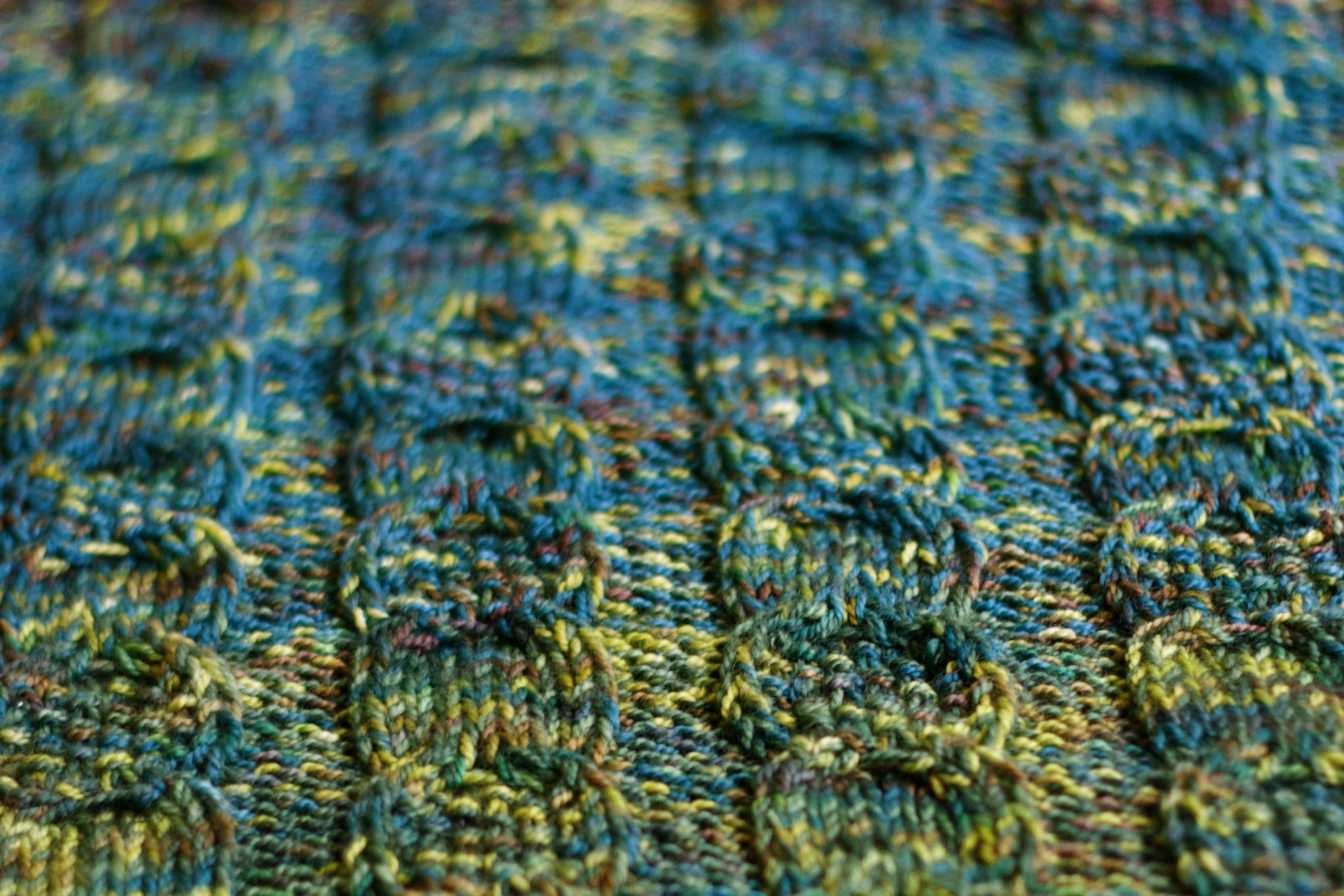
Now that sharing time is over I will get to the point: cables are great and no one should be afraid to try them! I learned to cable from an old, and somewhat unhelpful, book so there is not reason anyone should be scared of cable. Cables are great, they can look so snakey and complicated but really they aren’t. I often refer to cables as the best kept secret in knitting. Cables are so pretty and versatile, they can have a sort of celtic feel, they can make an excellent detail on something plain, or it can serve to slim a piece of knitting because cables tend to make your knitting pinch in. Such a lovely technique. Here is how to do it:

At its most basic a cable is the reversal of stitches. If you are cabling over 4 stitches you will come to those stitches in order: 1 2 3 4 . When you cable them you are knitting them in a different order: 3 4 1 2. That’s all there is to it!

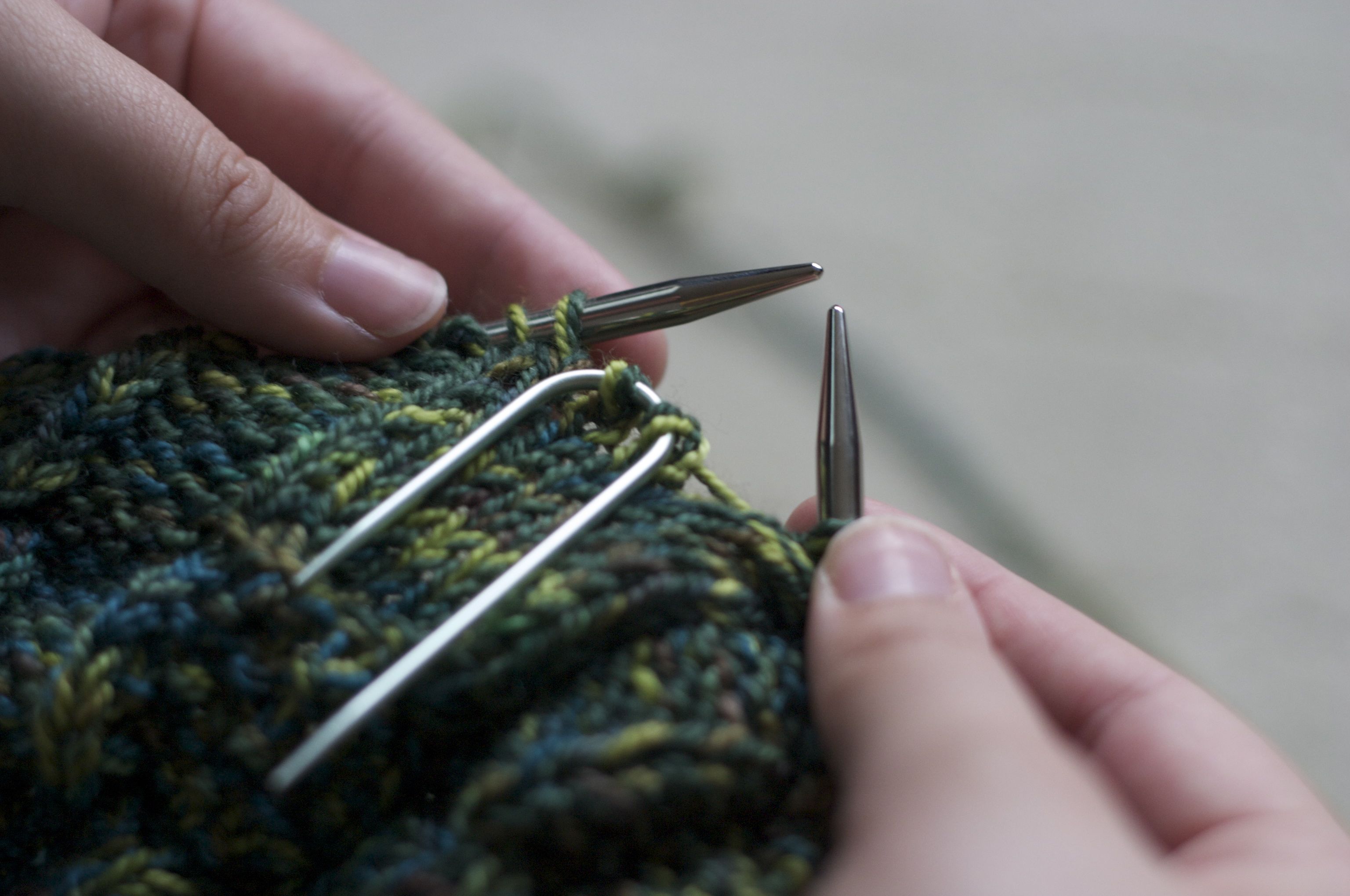
Just kidding, there’s a little more than that. What you will need to get started is a cable needle. This is the needle that will help you change the order of stitches. The other factor is which direction you are changing the order, front (left) or back (right) . The following is a cable 4 front (c4f). When a cable is written this way you divide the number of stitches by 2 (4 divided by 2 is 2). You will then put 2 stitches on your cable needle, (stitches 1 and 2) like so:

crw_9099

Then you will hold the cable needle in the front of your work, like so:

crw_9107

Then you will knit 2 stitches from the left hand needle (stitches 3 and 4)

crw_9108

Then you will knit the 2 stitches from the cable needle. Sometimes people slip these stitches back onto the left hand needle but I just cut out the middle man and knit straight from the cable needle.

crw_9109

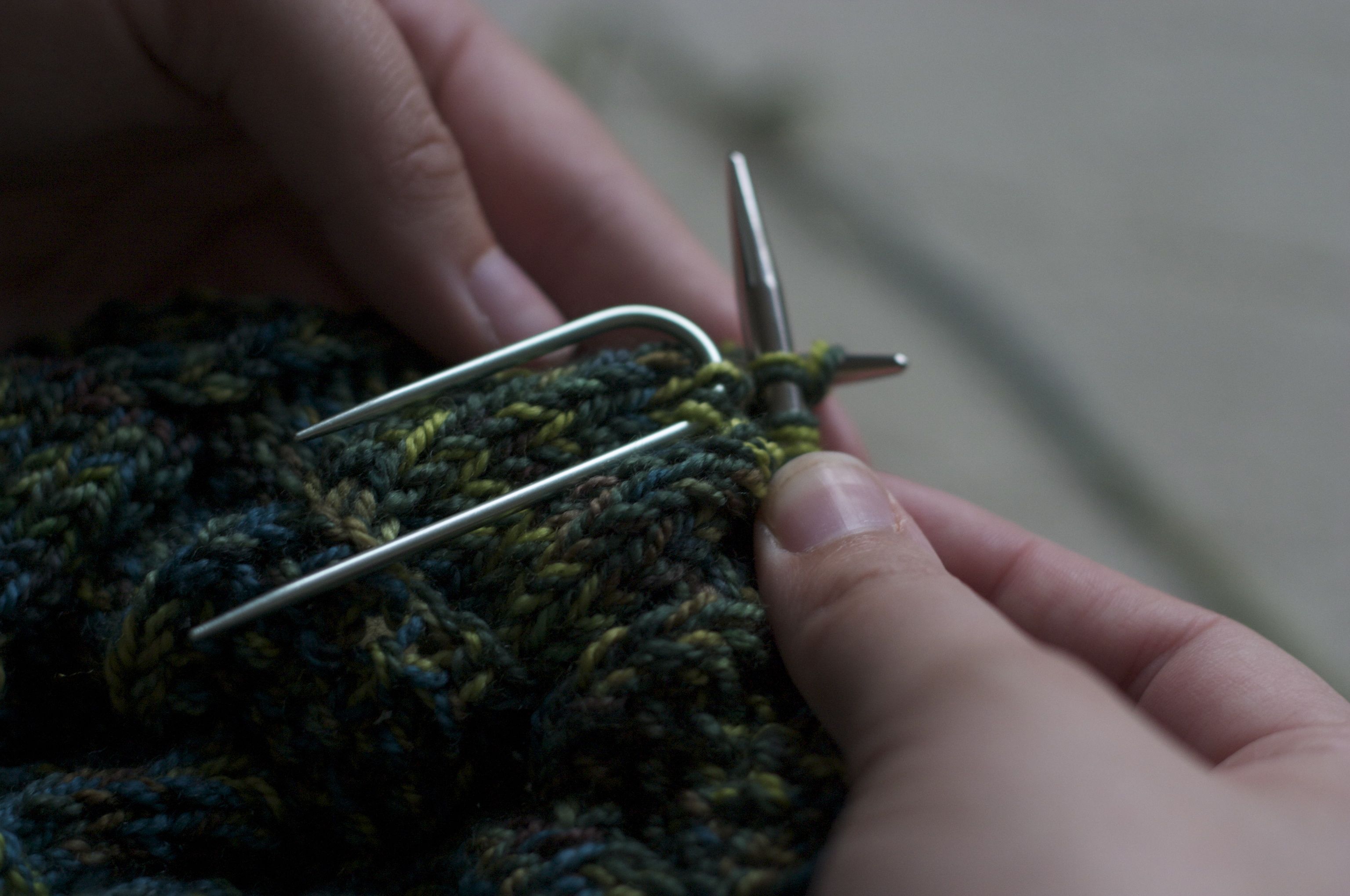
If you are cabling 4 BACK instead of c4f it will look like this:

crw_9102crw_9100

Everything else will be the same, 2 from the left needle, 2 from the cable needle. There you have it, cabling is as easy as 123. So, don’t be afraid to go out and try your first cabling project, it’s not so scary, I promise!

Posted in Uncategorized | Comments Off


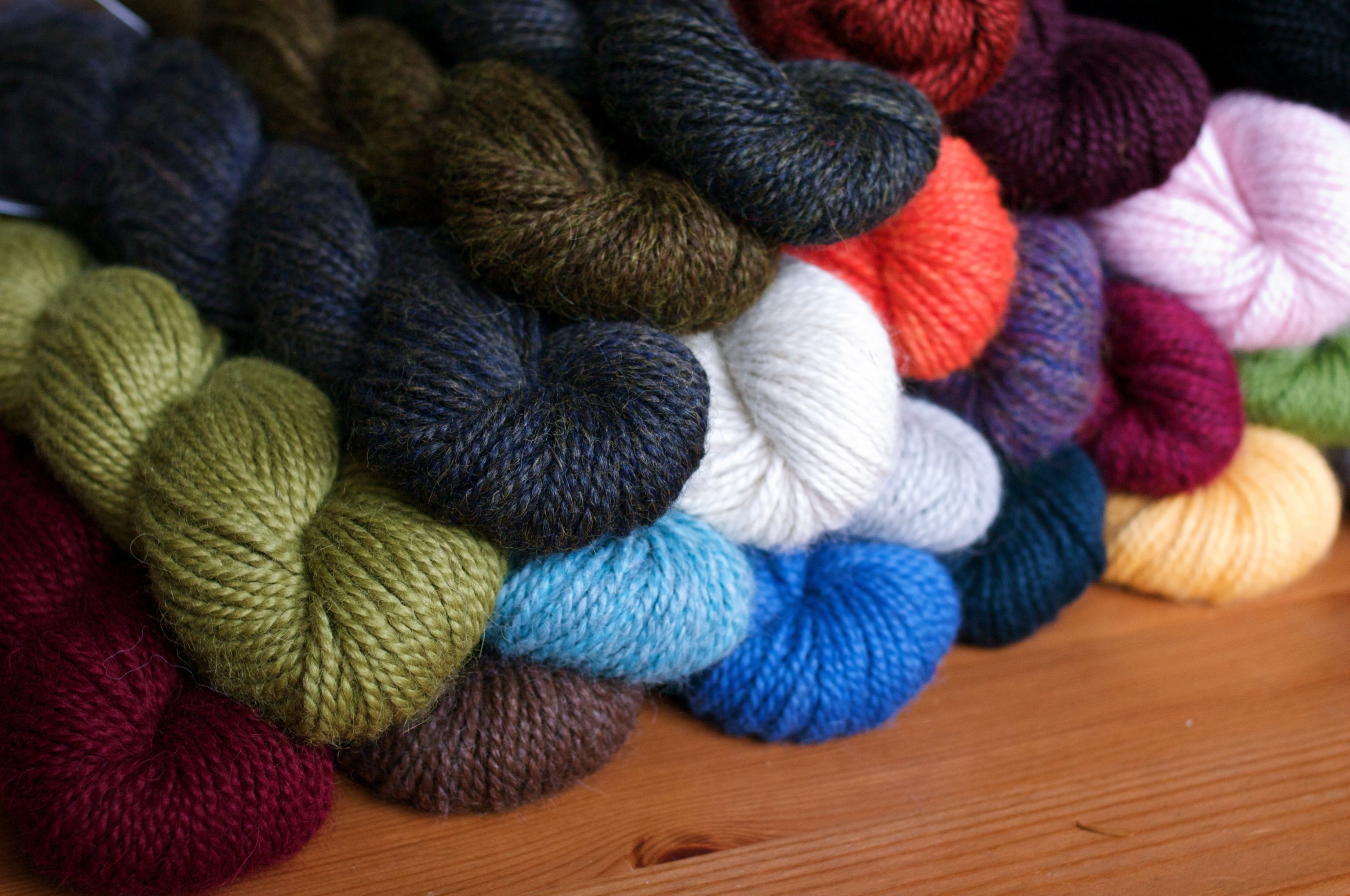
As we unpack from our big move this week, I’ve been seeing some of our classic yarns in a new light (literally!). That’s the thing about change… things can look completely different just by putting them in a different spot. Well, I thought I could show you some of the old store favourites.

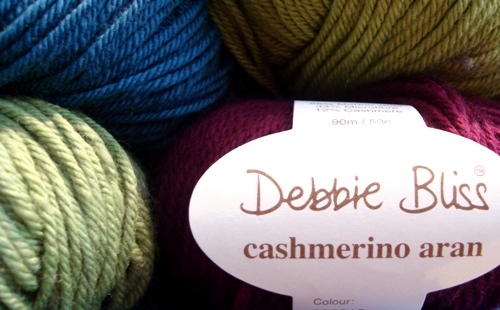
Debbie Bliss Cashmerino Aran is a yarn that we’ve had on our shelves since we opened. It’s a cashmere, merino, and microfiber blend. We also carry Cashmerino Dk,  and Casmerino Baby. Check out some of Debblie Bliss’ gorgeous books full of beautiful, classic designs.

misc-027

Baby Bamboo is a “new-comer” compared to Cash Aran, but it’s one of the most popular yarns at the moment. Made from bamboo and wool, it’s warm for the winter, and breathable for the summer months. We have over 20 great colours to chose from!

baby-bamboo-0041

baby-bamboo-1

One of our most popular Blue Sky Alpacas yarns is Alpaca & Silk. It’s a luxurious yarn knit on a 3.5mm needle. Flip through our Blue Sky Alpacas pattern binder to find the perfect pattern for this yarn!

misc-014

misc-015

Our line of Cascade 220 is ever expanding with new exciting colours! This is the perfect yarn for felting bags, slippers, and anything your heart desires!

misc-012

When you visit us at our new location (4437 West 10th), you’ll notice that the old location (4421 West 10th) has been turned into another great retail store for one month only. Urban Yarns and Snugglings have joint forces to bring you “Pop-up Vancouver”. For the month of May only, over 25 local designers will be featuring their one of a kind products.

The grand opening party will be held this Saturday May 1st from 5-8pm. Come eat, drink, and mingle with the designers. A Silent auction will also be held with all the proceeds going to “The Ride to Conquer Cancer”. For more info, join the Pop-up Vancouver facebook group!

invite-mod


Posted in Uncategorized | Comments Off


crw_9053

There are a lot of things in the world of knitting that are debatable. Some of these questions are even unanswerable because they are really just a matter of preference. Needle choice, for example, is largely a question of preference. Some knitters will choose straights over circulars, long over short, bamboo over addi, etc. Will anything terrible happen to your knitting if you use Addi Lace needles (my faves) vs. Bamboo circulars for a given project or vice versa? No, it’s a matter of what makes you happy. Do what you feel! What does this have to do with blocking you might ask? Nothing really, it’s just that blocking is one of those knitting issues that is really just a matter of debate that I think comes down to preference.

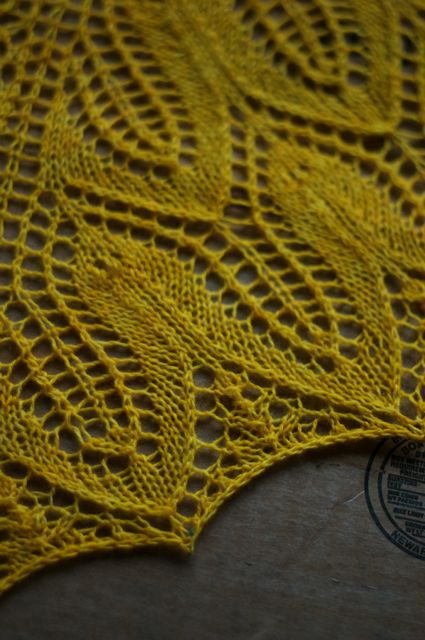
There is much debate on the purposes of blocking and when, why and if it should be done. This intro is kind of acting as a disclaimer, there are lots of schools of thought on blocking and I’m really just sharing my own. Do what works for you, as usual. There are different ways to block different items and I thought I would start with something I’ve done a fair bit of lately: some lace.

crw_8935

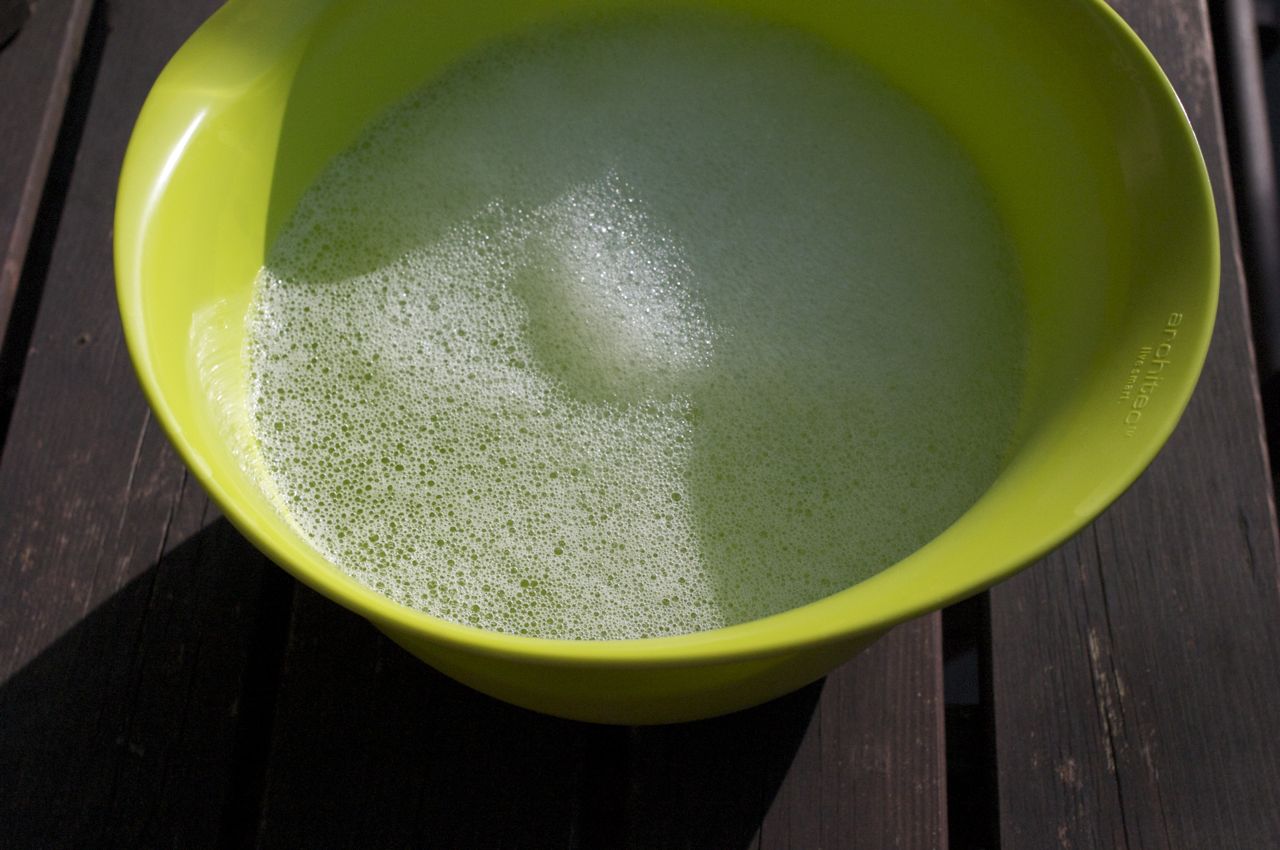
Step 1: fill a bucket, sink, or bowl with cool water. I use a bit of SOAK in my water, it’s a wool conditioner that smells nice and softens your finished project.

crw_8942

Step 2: put your finished shawl into the water and gently squeeze out the bubbbles. When no more bubbles come out, you know the water has completely permeated the yarn, making it easier to have the shawl stay the way you want it when you lay it out.

Some would disagree with this full immersion approach and would make the shawl damp with wet towels. It’s another way to go but I’m not that gentle with my knitting. If I’m going to be wearing something I think it should stand up to a certain amount of abuse. DO NOT use hot water. It will felt your knitting and unless you are going for that felted look you will be sad. There might be tears. Don’t let this happen to you.

Step 3: Roll your shawl in a towel to get out some of the excess water. Use a dark towel if you are nervous about running colours.

crw_8946

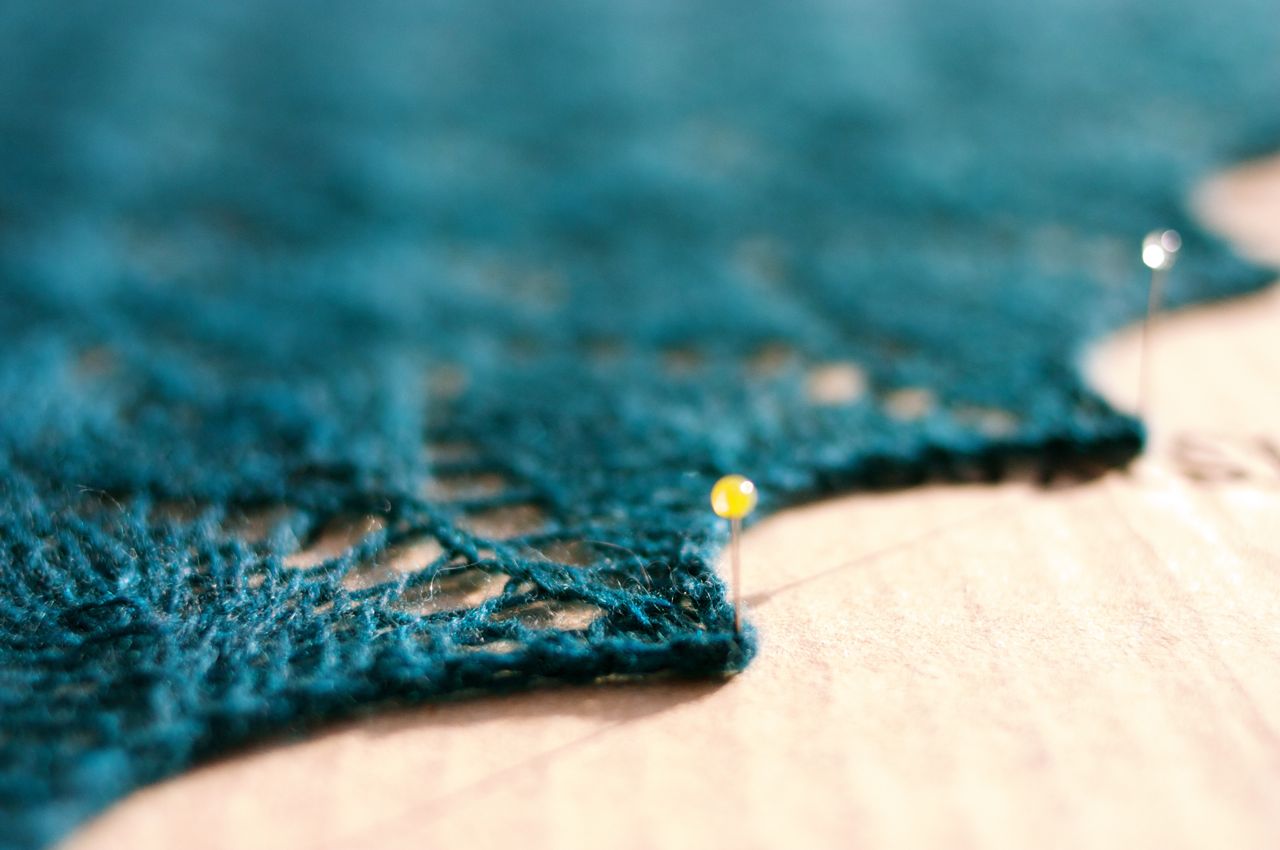
Step 4: I used to to pin my shawls to a towel but Emily set me straight on that. She uses cardboard for a good stiff blocking. I tried it and I agree. I got a big cardboard box and broke it down so I had a nice big surface. Then I laid out my shawl and put quilting pins through the points on the shawl. Each shawl will most likely have it’s own natural points, you’ll know, don’t worry. Just put your pin through the point stitch and then through the cardboard. Lace really looks amazing when it is blocked rather severely so don’t be afraid to really stretch it! FYI: I don’t recommend using quilting pins, I didn’t have t-pins (which I do recommend) so I used the quilting pins I had and I kind of wrecked them. I am so impatient sometimes.

Step 5: Let it dry, unpin and enjoy!

This is kind of a severe way to block. Others suggest that you block it slowly and gradually. I am obviously much too impatient for that. Also having a giant piece of cardboard taking up my living room is probably already pushing hubbies patience so keeping it there for an extended period of time is just plain not going to happen.

If you are blocking a sweater, scarf, blanket, some fair isle mittens, or really any other piece of knitting you probably won’t need pins. Again, others might disagree but I think it’s kind of overkill to pin down a scarf. Unless you need points of any kind, then you will need pins. There are always exceptions!

If I’m blocking any one of these items I will repeat steps 1-3 but then I will lay it out on a dry towel the way I want it to look (uncurled edges, straight seams, even stitches etc.) and let it dry that way. If it’s a sweater it can take a while to dry (beware the Christmas Eve block. That’s a story for another time…..) so I would change the towels every so often to speed drying. You are really just smoothing things out, those funny stitches and crooked seams. Fair isle items always look much better after a block, much smoother and more even.

If you are interested in some other opinions or techniques you can check out these sources on blocking as well (some of these dedicated individuals are much more serious about their blocking than I am!)

Yarn Harlot

Emily Wessel

Brooklyn Tweed (blocking wires)

Purl Bee

Knitting Daily

Posie Gets Cozie

Enjoy!

–Alexa–


Tags: , , , ,
Posted in Uncategorized | 3 Comments »


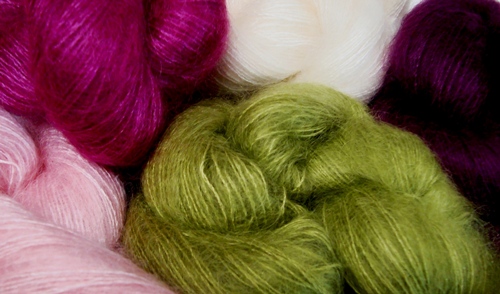
As promised… more Shibui! Our latest yarn is called Silk Cloud – a perfect name. This great yarn is made from a luscious blend of  60% kid mohair and 40% silk.

silk-cloud-009

“The glowing core of this laceweight yarn shines through the halo of translucent mohair, giving anything you make amazing stitch definition and drape” -Shibui Knits

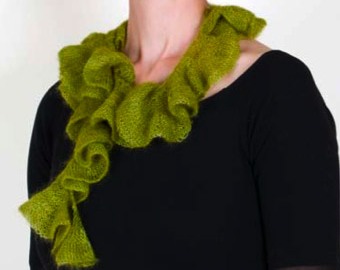
To make this fabulous Swirl Scarf, all you need is one skein of Silk Cloud. The ruffles are made using a simple increase technique of KFB. This scarf will make an elegant statement, with a flirty twist!

shibui-swirl-scarf3

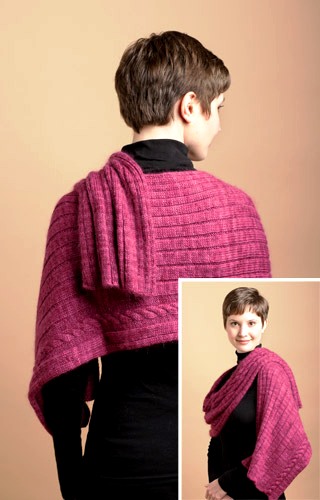
shibui-cabled-rib-wrap1

The Cabled Rib Wrap takes three skeins of Silk Cloud and 4 skeins of Baby Alpaca, and is knit on 4.5 mm needles. This is a warm, soft wrap with a beautiful drape.  Great for a Mother’s Day gift!

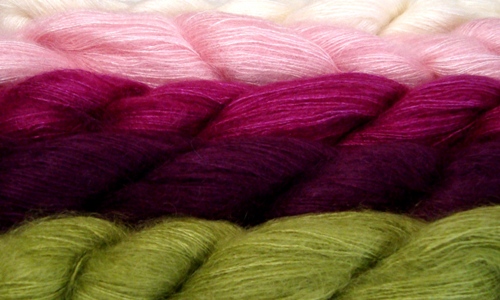
silk-cloud-006

“The halo effect helps give this yarn some creative flexibility because you can knit it up at all sorts of gauges depending on the visual effect you want to achieve.” -Knitters Review

Silk Cloud is now available at both our locations.


Posted in Uncategorized | Comments Off


crw_9014

Sometimes you knit a pattern and it just works for you. It has all the interest you want without being overly complicated, it works for the yarn you love, and it is a usable piece of knitted art when you are finished. The final product isn’t just beautiful but something you can wear or use as well (depending on the project of course).These patterns don’t come along every day. They aren’t even the same for every knitter. You just know when you’ve found one.

crw_8943

The Shetland Triangle by Evelyn Clark is just such a pattern for me. I loved it. I still love it. I will love it again soon! I finished mine and immediately wanted to cast on for another! I kind of have a little obsession forming (like I need another little knitting related obsession!). I love the lacy pine cones and the way the decreases/increases create a sort of circular look. Just beautiful.

crw_8949

Of course you have all already heard me rave about the yarn I used too: CashSilk Lace by SweetGeorgia. A skein of CashSilk is 400 yards and the pattern calls for 450 but I just cut out a repeat and made it a little smaller. One of the things I like about this pattern is that you can really make it as big or as small as you want. The repeats are easy to memorize but not too boring so it became conversational knitting shortly after I started it.

crw_8951

With Mother’s Day around the corner I want to get 2 more shawls on the needles myself (one for Mumsy and one for Mom in Law) and I highly recommend a little lacy scarf or shawl (depending on the mother) as a nice gift. A skein or 2 of sock yarn will do nicely for a slightly thicker (and faster) version or you can go all out and pick up some lace. I like the Malabrigo Lace for price, softness, and colour range (don’t try to backtrack with this stuff though, nightmare!). There are also some nice Fleece Artist and Handmaiden laceweights around the shop that will do the trick. Of course, the Cashsilk is the ultimate lace treat in my opinion!

To make a Shetland Triangle (or 3) of your very own you will need:

The Pattern which you can purchase here or you can find it in the book Wrap Style at UY

The Yarn: 1 skein SweetGeorgia Cashsilk Lace

The Needles: I used 4mm Addi Lace in 24″ but needle choice with lace is kind of personal choice. A larger needle will give you a lacier look while smaller needles will be a little tighter. Up to you.

1 stitch marker and blocking pins.

Enjoy!

–Alexa–


Tags: , , ,
Posted in Uncategorized | Comments Off


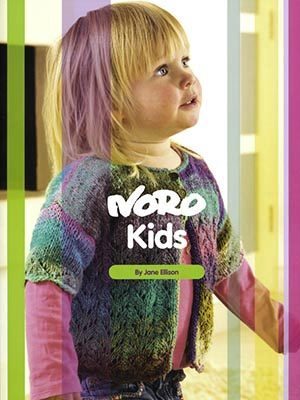
Here’s Jane Ellison’s newest book, Noro Kids:

noro-kids

It’s full of fun garments ranging in size from one to ten years. The great thing about Noro patterns is that they are usually very simplistic, with a goal to show off the yarn as best it can. Jane has added some great tutorials on tension, sizing, joining new skeins, grafting, finishing techniques, and much more to help you along the way.

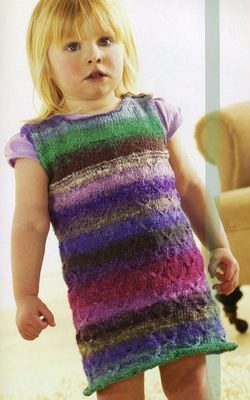
This simple dress called Eva is made in Noro Aya, with a composition of cotton, silk, and wool. Dresses like this these are  great on their own for the Summer, and in the Winter you can pair them with a long sleeved under shirt and some funky leggings!

noro-kids-2

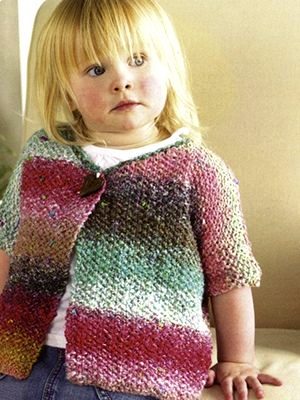
Amy is a fast and simple cardi which can be embellished with a wooden heart button, like in the picture. The cardi takes 3-5 balls of Noro Furin, a chunky weight yarn knit on 7mm needles. The fun thing about knitting with Noro yarns, is that it keeps your interest as you’re always thinking about which colour is coming next!

noro-kids-6

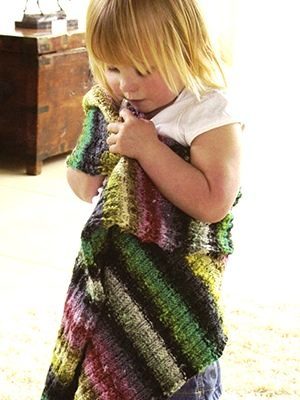
If you haven’t tried knitting with Noro Taiyo yet, why not try it out on this warm stripey blanket. The Little Blanket takes 3 balls of Taiyo on a 5mm needle.

noro-kids-5

This book is currently only in the Point Grey location, but will make it’s way to Edgemont by next Thursday.

If you’re into glitz and sparkles, you’re in luck as this week we have Estelle Dazzle on special at 50% off! This is a great ladder yarn used for making scarves and shawls. We have four fun and bright colours to chose from, but quantities are limited, so get it while you can.

And remember we’re still getting lots of great new items in every day. Watch for more Shibui on next weeks blog post!


Posted in Uncategorized | Comments Off


crw_8042

Back by popular demand is the subbing tutorial. What I neglected to mention in the last post is how to tell how much yarn you will need! Another popular question around the shop is ‘How many skeins will I need for a _______’. While we are always near by with a calculator around the shop, here are a few tips to figure out how much yarn you will need.

One of the things I hear a lot is yarn requirements that are given by weight. There are many patterns in the world that are written with amount requirements in ounces or grams, especially (although not restricted to) older patterns. Elizabeth Zimmerman, for example, gives weights in all of her patterns. I have a theory about this: there are just more yarns out there now. If there are only a few types of yarn, mostly wool, it’s easy to go by weight. Now, there are so many different yarns and fibers, I just don’t think weight is accurate enough.

Lots of people come to UY looking for 4 oz of wool or five 50 gram balls. This works fine if you are using the exact yarn in the pattern, meaning the same brand of yarn. If you have a Debbie Bliss pattern and you are using Debbie Bliss yarn you are good to go! Simple. As soon as you start subbing this becomes a problem. Here’s why: different fibers weigh different amounts for the same yardage. Alpaca and angora are very light fibers, so you will get more yardage for the same weight. Silk, on the other hand, is a lot heavier than wool. If you have a fiber that is a mix, then all bets are off and I would look to our good friend the ball band to tell us how much yardage is in there.

So what should you do if you want to start subbing yarns?

Step one: check out the original yarn. If you are subbing you will already want to look up the gauge so make a note of how many yards per skein while you are at it. A couple of things to be careful of though:

  • make sure you are measuring either meters or yards and keep it consistant. There are 109 yards per 100 meters FYI.
  • The other thing to be careful of is the occasional change in skein size. Every once in a while a yarn company will change the size of their skeins from 50g to 100g or vise versa or something else entirely. Make sure you are looking at the same size skein.

Step two: Once you have determined how many yards per skein the original yarn had, do a little multiplication and figure out how many yards you will need to make your sized garment.

Step three: check how many yards (or meters) the yarn you are substituting has. Yardage needed divided by the yardage of the substituted skein gives you the number of skeins you will need of the substituted yarn.

Now, the above advice is great if you are working from a pattern but what if you are that wild knitter who is stashing for the right pattern to come along or *gasp* designing their own garment? Well, it is a little tougher but there are a few basic guidelines you can follow in a lovely little pamphlet of yarn requirements. It’s been my yardage bible for the past couple of years, you can pick one up at the shop for about $6 and it’s an invaluable tool. The Knitter’s Handy Guide to Yarn Requirements.

I would also recommend buying an extra ball or skein, especially if you are making a garment. It is exchageable if you don’t need it and I have seen more than a few regrets over unpurchased extra yarn. Remember that every knitter is a little different and sometimes the best laid plans can go awry. Even if all signs point to 8 ball, you just might need a little bit more.

Voila! Now you’ll be able to sub yarns at will. Don’t let substitutions scare you, being able to knit things many different ways, with different yarns, fibers, and style is what makes knitting so great. It makes each item unique. Also, we would be happy to walk you through substitutions in the shop any time!

–Alexa–


Tags: ,
Posted in Uncategorized | 4 Comments »